Making Matters: What a Dress Can Teach You
Making Matters: What a Dress Can Teach You
There is something wonderfully liberating about sewing with limitations.
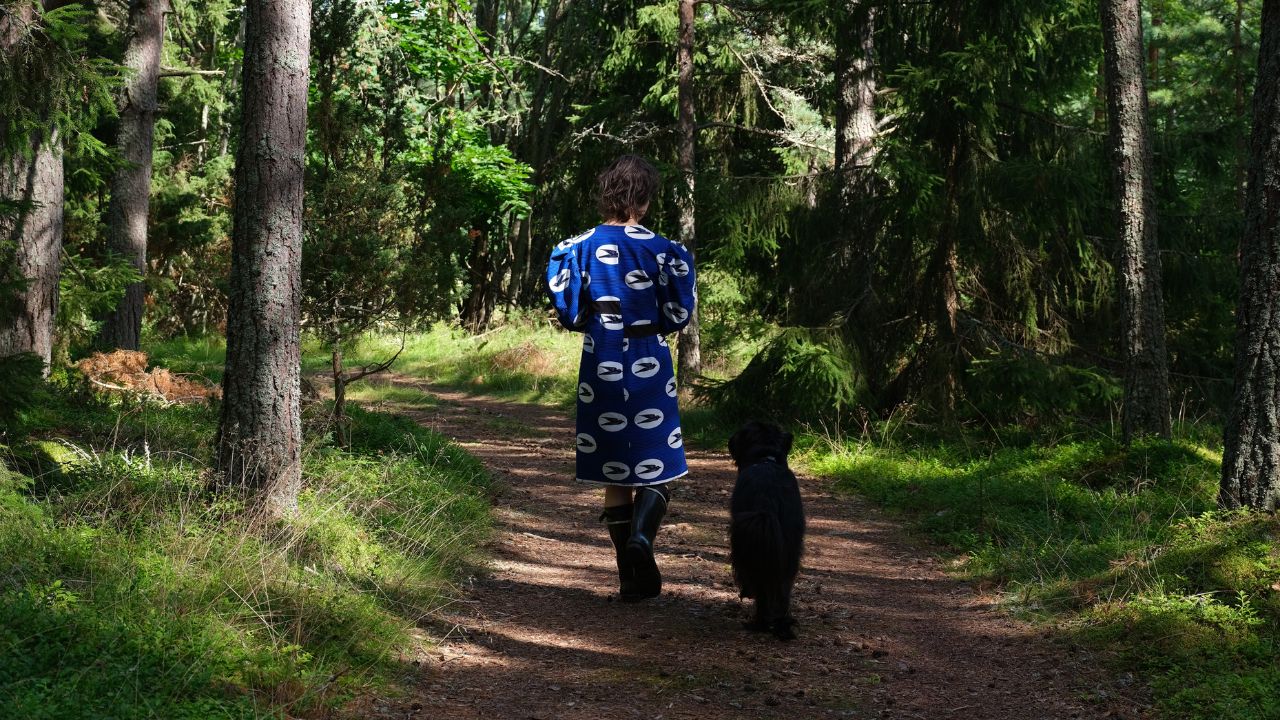
Every summer, the big and bright livingroom of our island home becomes my sewing studio.
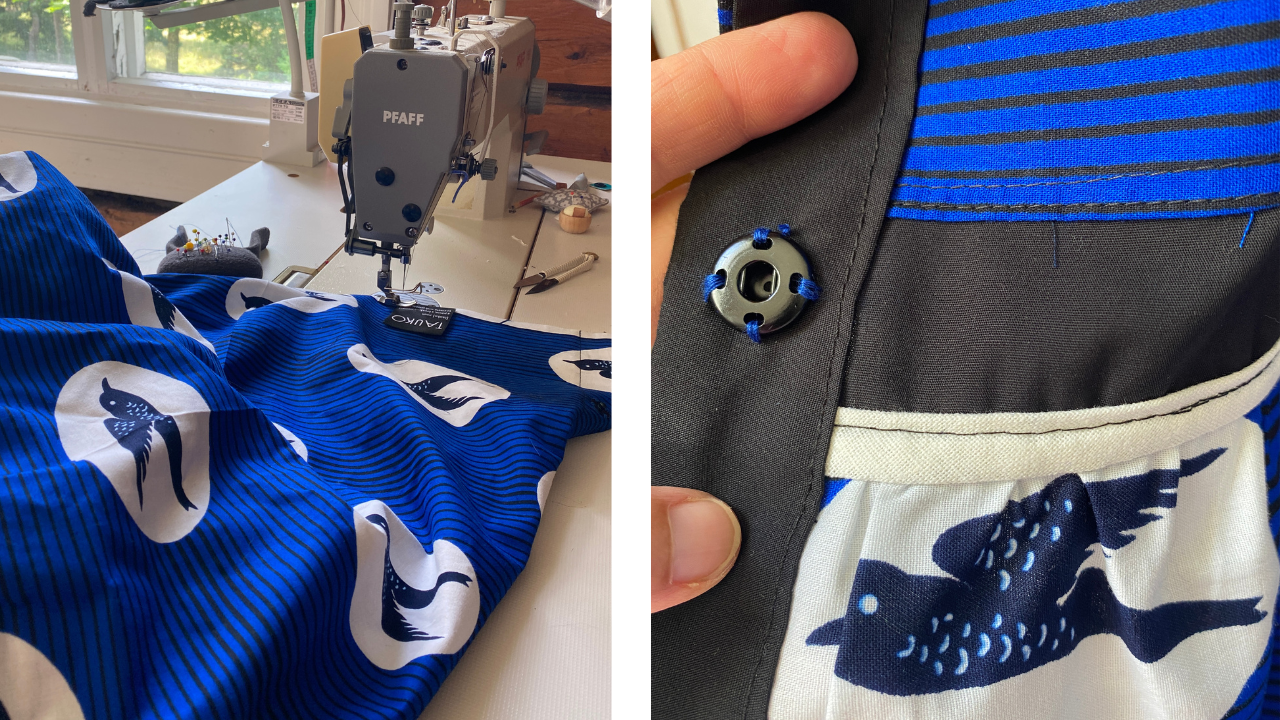
I have one sewing machine waiting for me here: my favourite industrial lockstitch machine. There is no overlocker, no coverstitch machine, just my perfect stitch making Pfaff, an iron and the tools I use most often.
I’m really embarcing this, and it is by far not a limitation.
End of July also became the perfect opportunity to join our own TAUKO Experience Sewing Challenge: sewing for just 30 minutes a day, five days a week for two weeks. Rather than waiting for a whole free afternoon that never seemed to arrive, I could work on the dress grow slowly and by the end of the week, it was finished.
That's one of the things what I love most about sewing. It doesn't always require endless time. Sometimes it simply asks you to begin.
The Pattern
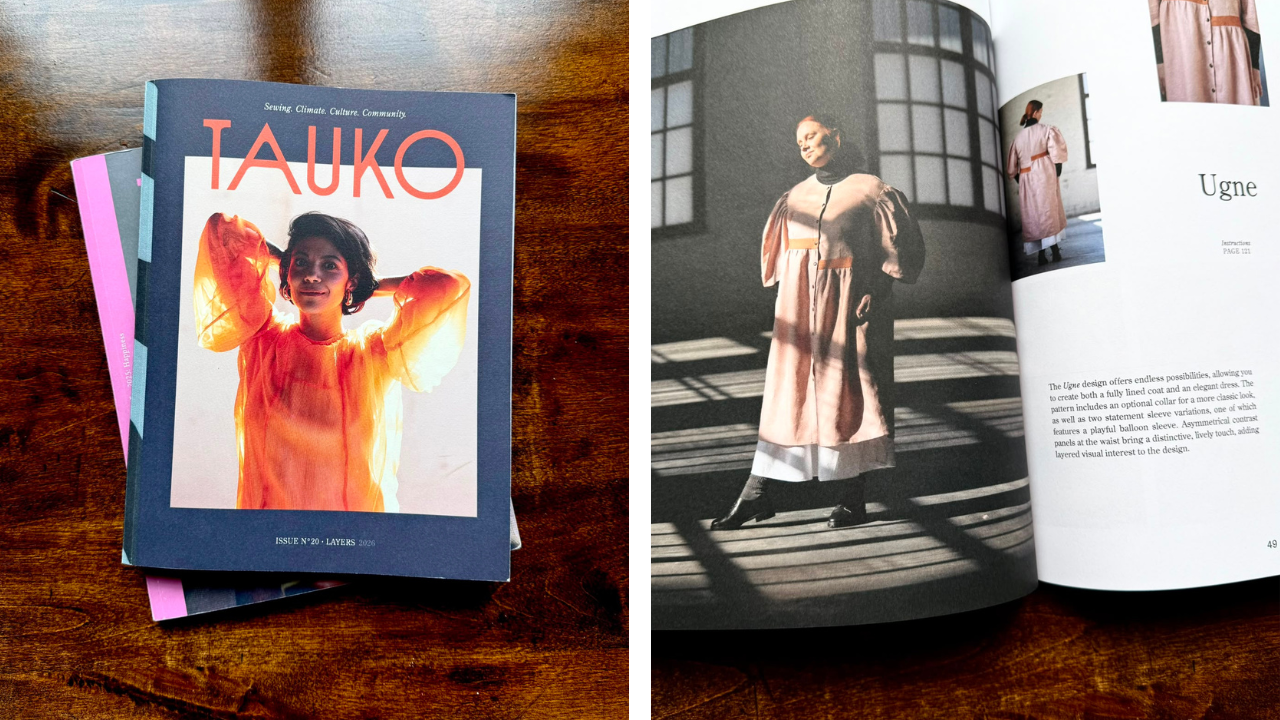
The dress is Ugne, designed by Finnish fashion designer Henna Lampinen for TAUKO No.20.
Henna's work has long inspired me because she reminds us that fashion isn't only about aesthetics. It can also shape how we see ourselves and others.
Her work explores inclusivity and questions the beauty ideals that continue to define much of the fashion industry. Rather than designing for one ideal body, she creates space for individuality, softness and joy.
That philosophy is built into Ugne.
The pattern can become a sculptural coat or an elegant dress. It invites interpretation rather than perfection. Different fabrics, sleeve options and finishing details create entirely different garments from the same design.
Just as importantly, it encourages you to make it your own.
ISSUE NO.20 >
UGNE PDF PATTERN
The Fabric
I took the fabric with from Berlin, thinking it would propably be beautuful set of decorative pillows . It was a gift from a dear friend who brought it back from Kigali.
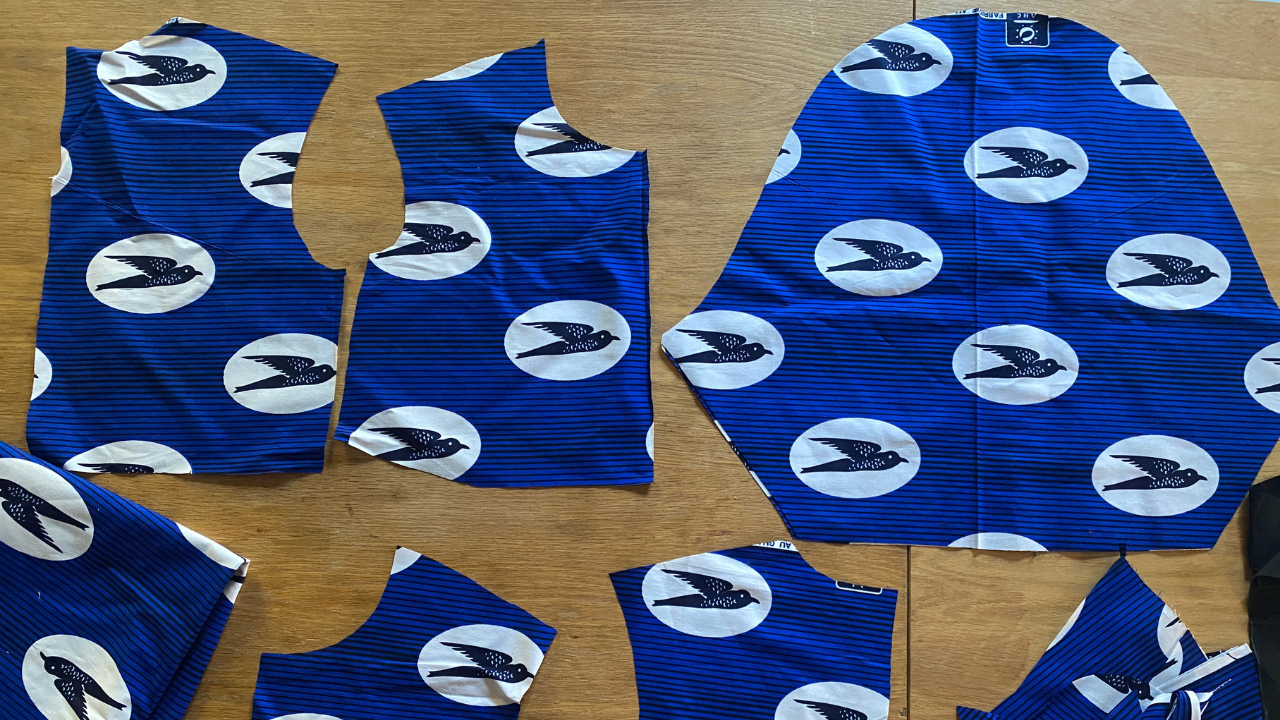
The print is an ABC Wax design from Ghana called Sika wɔ ntaban—"Money has Wings."
The proverb reminds us that wealth is never permanent. Money can disappear as quickly as a bird takes flight, encouraging humility and careful stewardship.
But the birds also carry another meaning. In many Ghanaian traditions they symbolize movement, transition, freedom and change.
I couldn't imagine a more fitting fabric for a handmade dress, especially for Ugne. The strong print asked for strong design, and here, more is more.
The value of a handmade dress was never measured in money. It came from friendship, generosity and the story it carried long before I cut into it.
Making with What You Have
I also had less fabric than the pattern recommends.
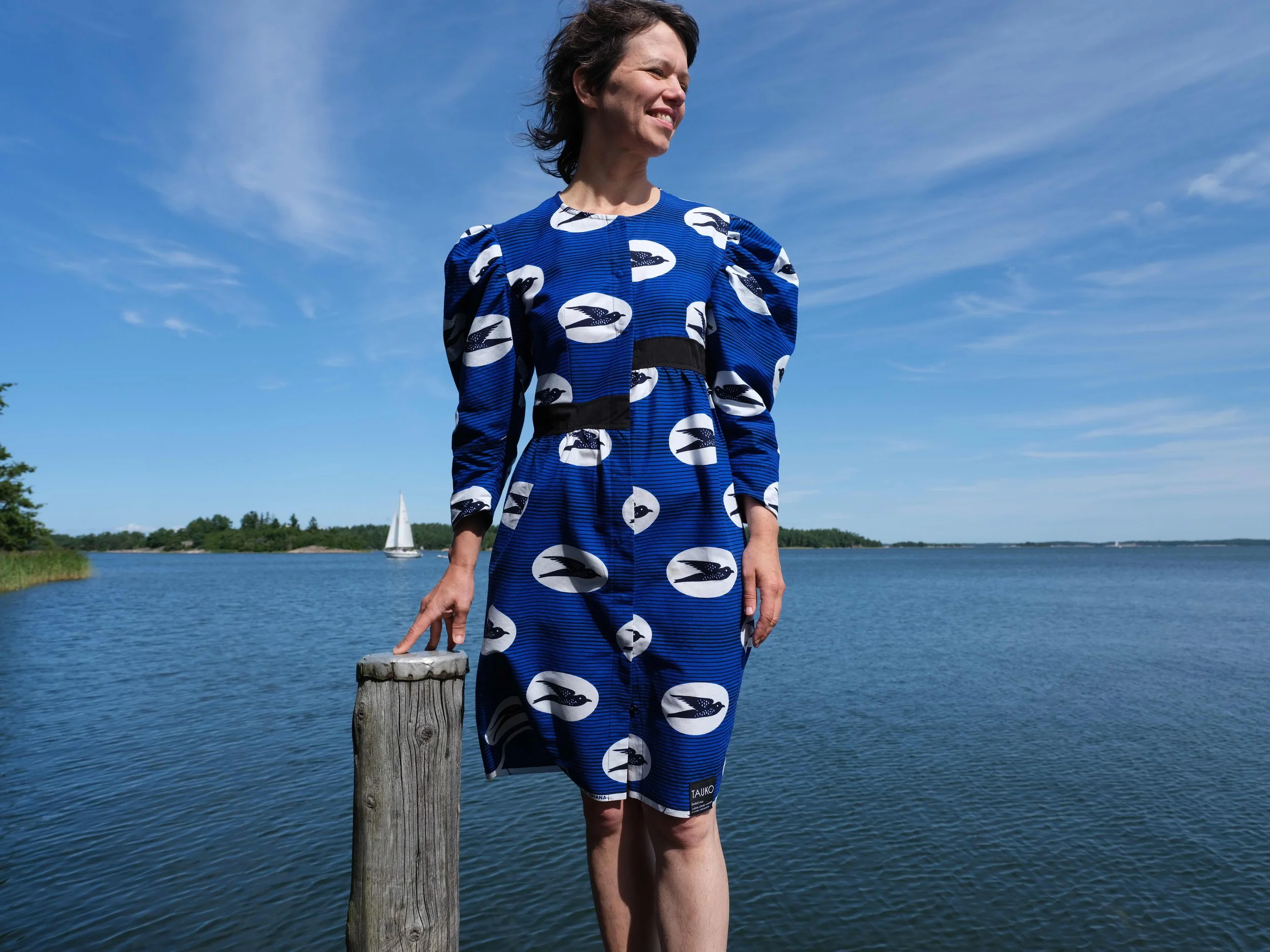
I shortened the dress by around 10 cm, the hem became about 40 cm narrower and I omitted the side seams, pockets and facings.
The neckline is finished with bias binding, while the button placket is made from black cotton poplin.
The dramatic sleeves are pieced together from several sections, creating additional seam lines that almost disappear into the print.
Working without an overlocker also changed my approach.
Every seam is finished with French seams, flat-felled seams or bias binding. The inside of the dress became just as satisfying as the outside.
I have the feeling limitations can really work for you. They create new problem solving and new skills, you wouldn’t otherwise require.
Making Matters
I often think we talk about sewing as a way to save money.
But that's never been the most interesting reason to make our own clothes.
Making matters because it teaches us to solve problems.
To adapt.
To appreciate materials.
To understand how clothes are constructed.
To create something that simply wouldn't exist otherwise.
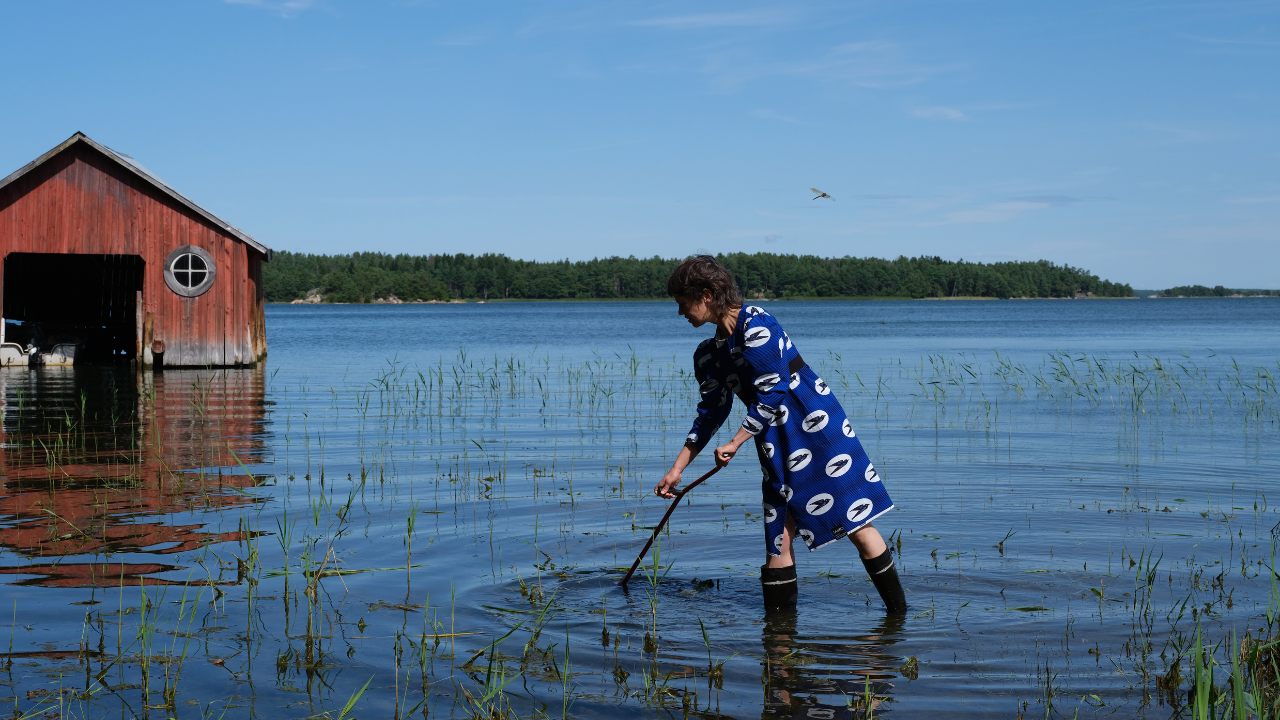
This dress carries the philosophy of its designer, the story of a fabric that travelled across continents, a week of thirty-minute sewing sessions, and a summer spent on a small island.
I don't think I could have bought anything that meant more.
If you're thinking about making Ugne yourself, don't be afraid to adapt the pattern to your own fabric, tools and ideas. Sometimes the most memorable garments begin with asking, "What can I make with what I have?"